Plastic Pump Bottles: Sizes, Necks and What to Specify
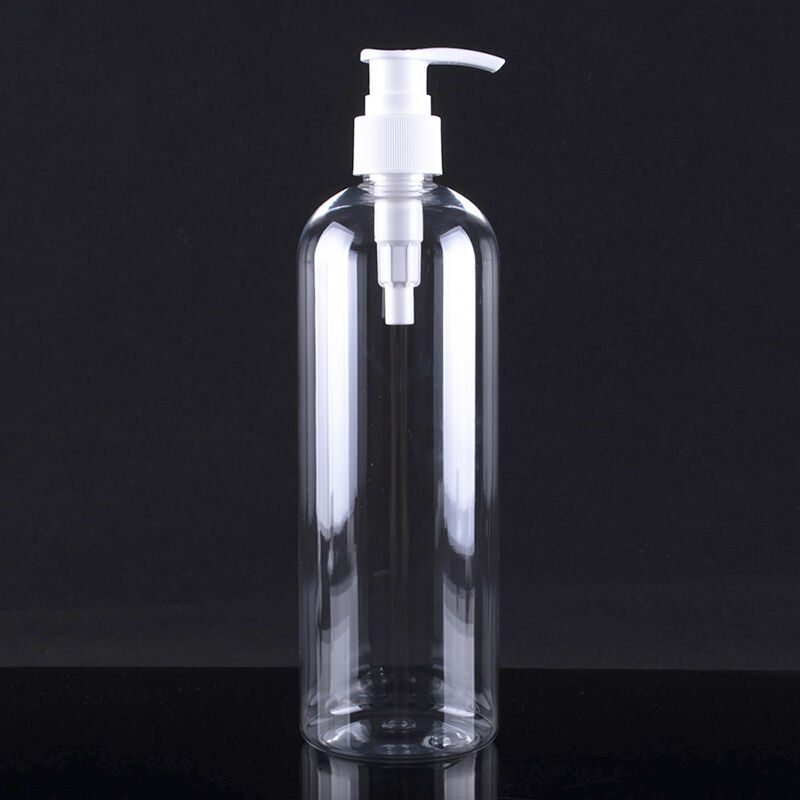
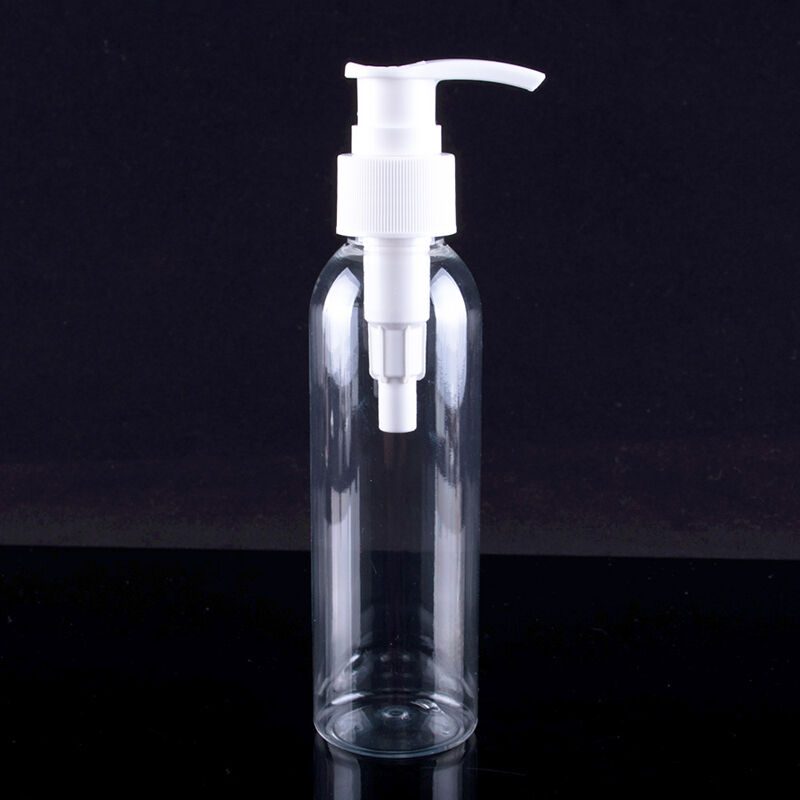
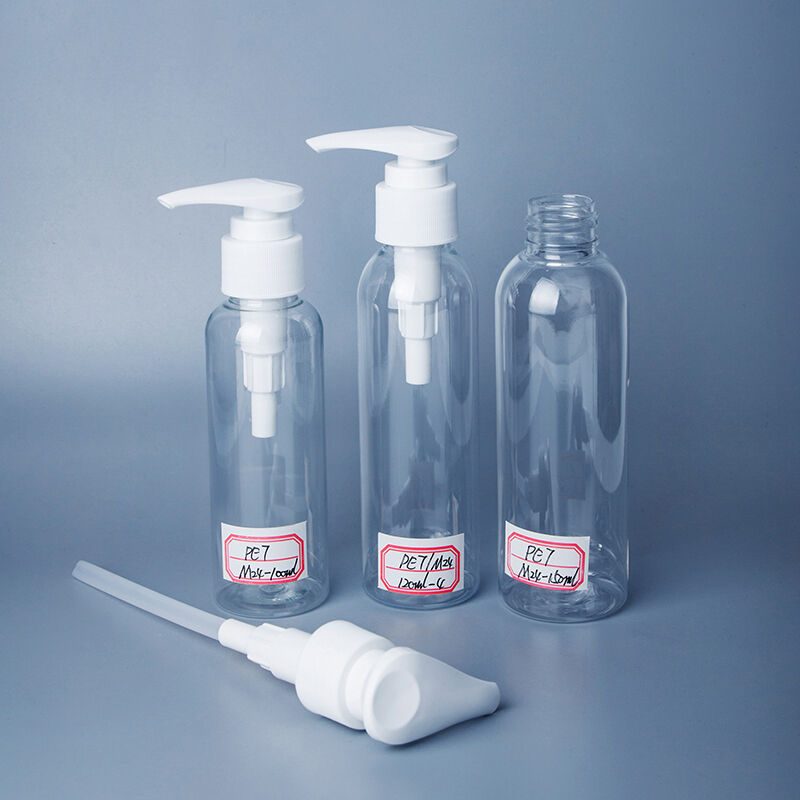
A pump bottle is three parts sold as one product — bottle, neck finish and pump. Get the neck wrong and the pump leaks; get the wall thickness wrong and the bottle collapses under the pump stroke. This page covers the sizes we mould, the necks they take, and the questions to settle before you order.
Pump bottles are the default pack for anything dispensed by the stroke: hand soap, body wash, shampoo, lotion, sanitiser, pet shampoo. The category looks simple and is not, because the pump and the bottle are made by different processes and have to fit together at speed on a filling line.
We blow the bottle and injection-mould the pump and cap in the same building. That matters more than it sounds: a pump that fits our bottle is tested on our bottle, not on a drawing.
What the Neck Number Actually Means
A neck finish such as 24/410 is two numbers: 24 mm is the outside diameter of the neck, and 410 is the thread specification. The thread decides which pumps fit. A 24/410 bottle takes a 24/410 pump; a 28/410 bottle takes a 28/410 pump, and the two do not interchange.
This is the single most common ordering mistake we see: a buyer specifies “500 ml bottle” and leaves the neck to the supplier. Then the pump they already stock does not fit.
Which Size Sells in Which Market
In the US, 500 ml and 750 ml dominate body wash and shampoo; 250 ml is the standard hand soap size. In the EU, 300 ml and 500 ml are more common for personal care, and refill formats push toward 750 ml and 1 L. Southeast Asia skews smaller — 250 ml and 300 ml — because of price sensitivity at retail.
If you are launching one SKU first, 500 ml with a 24/410 neck is the safest bet: it is the size most pumps are already tooled for, and it reads as full-size on shelf.
Wall Thickness and Why It Matters With a Pump
A pump pushes down. On a thin-walled bottle, that force shows as a visible flex near the shoulder, and on a hot filling line it can distort the neck. Our standard wall for a 500 ml PET pump bottle is 0.55 mm ± 0.05 — thick enough to stay rigid under a full stroke, thin enough to keep the unit cost where a distributor needs it.
Questions We Get on This
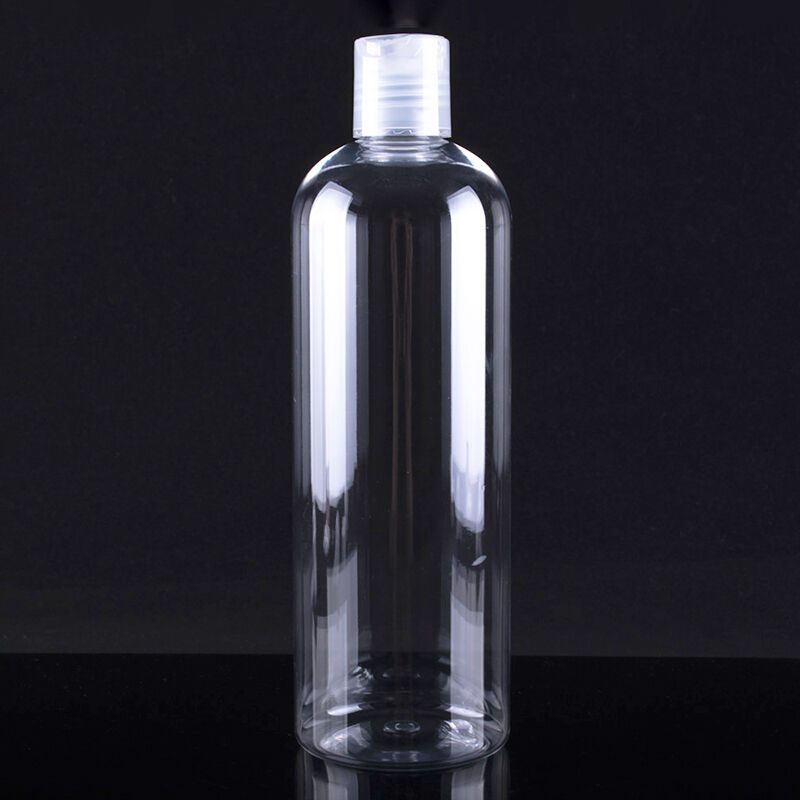
What is the difference between a pump bottle and a disc-top bottle?
A pump dispenses a measured dose per stroke and is used for lotions and gels. A disc-top cap is pressed to open and squeezed to dispense, and suits thinner products. Both fit the same 24/410 neck.
Can I use my existing pump on your bottle?
Usually yes, if the neck matches. Send us the pump or its neck drawing; we check the thread and the dip-tube length against the bottle height before quoting.
Do you supply the pump and the bottle together?
Yes. Both are made in house, assembled and leak-tested before packing, so one purchase order covers the finished unit.
What is the MOQ for a custom colour?
1,000 pcs per colour on an existing mould. Colour matching to a Pantone reference is quoted separately.
Can the bottle be recycled?
PET body with a PET closure is the mono-material option. A standard pump contains PP and a metal spring, so it has to be separated before recycling — we say this plainly rather than calling the pack recyclable.