PET Bottles: Grades, Clarity, and When PET Is the Wrong Choice
 By Joe Joo · 8PCK · Shantou · Updated 2026
PET is the default clear plastic bottle for cosmetics, personal care and food. It is also the material most often specified without a grade — which is where clarity, weight and cost problems start.
Polyethylene terephthalate — PET — is chosen for three properties: it is clear, it is stiff enough to hold a pump without flexing, and it takes decoration well. It is not the cheapest resin, and it is not the right choice for every product.
This page covers the grades we run, how PET compares with HDPE and PETG, what recycled content actually means on a purchase order, and the cases where we steer customers away from it.
PET vs HDPE vs PETG
PET is clear and stiff. HDPE is opaque, softer, and cheaper per gram — it is what you use for shampoo and detergent where the product does not need to be seen. PETG sits between: clearer than HDPE, thicker-walled than PET, and the usual choice for airless packs and premium thick-wall cosmetic bottles.
The practical rule: if the bottle has to sell the product on shelf, PET or PETG. If it has to survive a rough supply chain at the lowest unit cost, HDPE.
What “rPET” Means on a Purchase Order
Recycled content is a percentage, not a yes/no. rPET at 30% behaves almost identically to virgin PET; at 70–100% the colour shifts slightly warmer and the food-contact documentation changes.
If your customer needs a recycled-content claim, ask for the percentage on the declaration and confirm which grade it applies to — a generic “eco bottle” line on a website is not a document anyone can audit.
Food Contact and the Documents That Matter
For food and beverage contact, the relevant framework in the EU is Regulation 10/2011 with the declaration of compliance from the resin supplier, plus migration testing on the finished article.
We hold an EU 10/2011 + 1935/2004 overall migration test on PE grades and a RoHS verification. PET and PETG declarations are issued per order against the resin supplier's DoC — we do not claim a test we have not run.
When PET Is the Wrong Choice
Hot filling above roughly 60 °C will distort a standard PET bottle unless it is heat-set, which we do not offer. Aggressive solvents — some essential oils, some industrial chemicals — can craze or stress-crack PET. And very large formats above 1 L are usually better in HDPE for cost and drop resistance.
Questions We Get on This
Is PET food safe?
Food-grade PET with the correct declaration is. Ask for the resin supplier's declaration of compliance and, if your customer requires it, a migration test on the finished bottle.
Can you supply 100% recycled PET?
We can quote rPET at 30% or higher depending on grade availability. Higher percentages change colour slightly and need their own declaration.
What is the difference between PET and PETG?
PETG is clearer and thicker-walled, and it does not stress-crack as easily. It costs more and is the usual choice for airless packs and premium cosmetic bottles.
Do you make PET bottles that are not clear?
Yes — white, black and matched Pantone colours. Colour is quoted per colour at 1,000 pcs MOQ.
How do I know which wall thickness to specify?
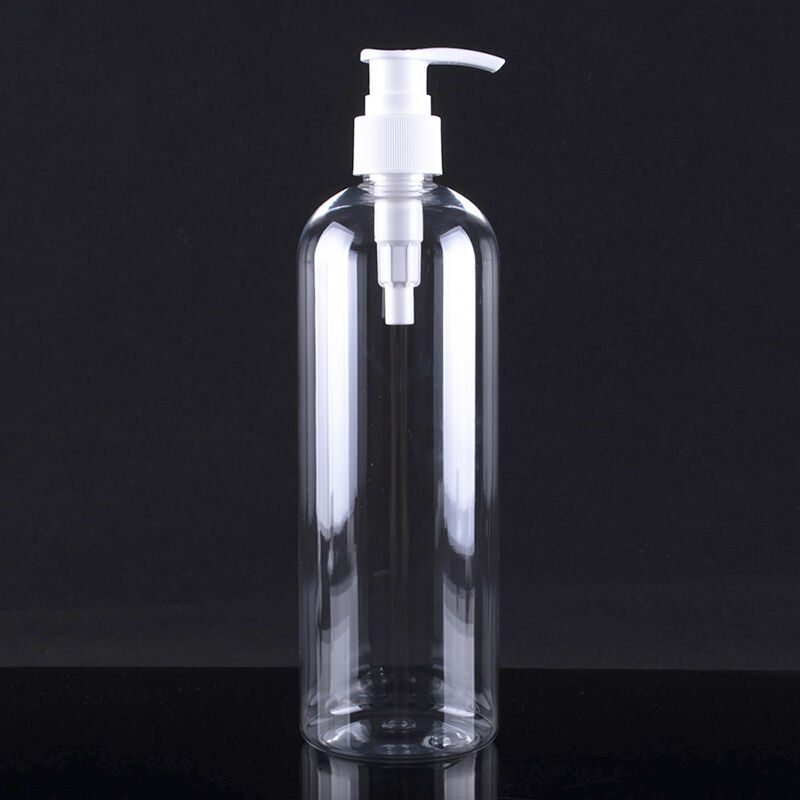
Tell us the fill volume and whether a pump will be fitted. A pump pushes down on the shoulder, so bottles under 0.5 mm wall need checking before tooling.
Sizes That Fit This Guide
Get a Price on This, in 24 Hours
Tell us the capacity, the neck and the quantity. You get unit price, lead time and a sample plan — not a catalogue.
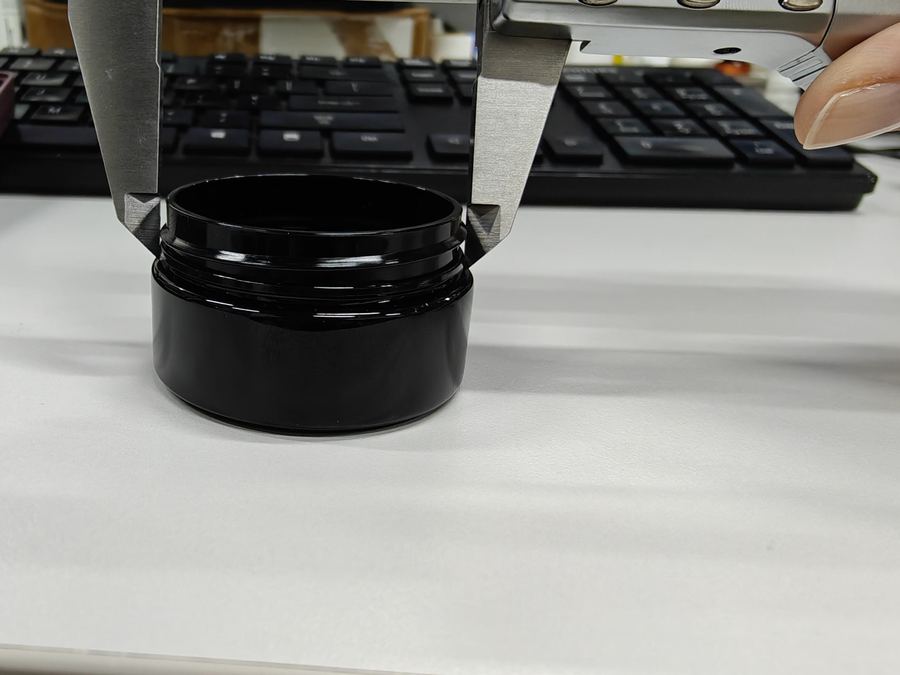
Every batch is gauged at the neck and weighed. The documents travel with the shipment.