How to Choose a Plastic Bottle Manufacturer in China — 2026 Checklist
 By Joe Joo · 8PCK · Shantou · Updated 2026
Most buyers shortlist on price and a website. The factories that ship on time are separated by seven questions that take ten minutes to ask — and almost nobody asks them before sending a deposit.
There are thousands of companies in China that will quote a plastic bottle. A minority of them own the mould, blow the bottle, make the pump and print it in the same building. The difference shows up in your third order, not the first.
This checklist is what we would ask if we were buying — including the questions that are uncomfortable for a supplier.
1. Is It a Factory or a Trading Company
Both are legitimate, but they fail differently. A trading company adds a margin and loses control of the schedule; a factory that claims to be a factory usually cannot show you the mould shop.
Ask for the business licence and the factory address, then check that the scope of business includes plastic products manufacturing. A licence registered to an office address with a trading scope is not a factory.
2. Who Owns the Mould
This is the single most important question in custom packaging. If the factory owns the mould, you are renting capacity; if you own it, you can move the tool. A new blow mould costs from USD 800 — small enough that ownership should be negotiated in writing, not assumed.
Ask: who holds the tool, where is it stored, and what happens to it if we stop ordering?
3. Does the Pump Come From the Same Building
Bottle, neck and pump are three parts with three tolerances. When the pump comes from a different supplier, the leak is discovered by your customer. A factory that moulds both tests the assembly as one unit.
If they do not make pumps, ask which pump brand they fit and whether they will test your pump on their bottle.
4. Can They Verify the Certificate
Anyone can put an ISO logo on a page. A real supplier gives you the certificate number, the issuing body and the scope — enough for you to check it independently. Ours is ISO 9001:2015, certificate PCC85721Q00018R0S, issued by ProCision Shanghai.
Be equally suspicious of a full set of badges (FDA, REACH, GRS, BRC) on a site that cannot produce a single scan.
5. What Does the Sample Prove
A sample pulled from a showroom shelf proves nothing about production. Ask for a sample from the actual production mould, with the batch record, and weigh it: a bottle that is 2 g under spec is a bottle that will collapse under a pump stroke.
6. What the Quote Must Contain
A unit price alone is not a quote. You need the packing configuration (carton quantity, pallet, container load), the lead time from deposit, the incoterm, and what is excluded — decoration, mould, sampling, testing.
If the packing data is missing, you cannot calculate freight, and the cheapest quote often becomes the most expensive order.
7. Red Flags Worth Walking Away From
A price 30% below everyone else with no explanation. A supplier who will not put the mould ownership in writing. A sample that arrives without a batch record. A certificate that cannot be verified. And a supplier who answers every technical question with “no problem” — because the answer to a wall thickness question is a number, not a promise.
Questions We Get on This
How do I verify a Chinese bottle factory without visiting?
Ask for the business licence, the factory address on a utility bill, the mould list and a certificate number you can check with the issuing body. Then ask for a video call walking through the mould shop — most real factories will do it the same day.
Is it cheaper to buy from a trading company?
Sometimes, on small mixed orders where the trader consolidates several factories. On repeat orders of one bottle, the factory is almost always cheaper and more predictable.
What is a normal MOQ for a custom bottle?
1,000 pcs per colour on an existing mould is the practical floor in Shantou. Below that you are usually buying stock colours from inventory, or paying a small-order surcharge.
How long should sampling take?
7 days from an existing mould, 15–20 days if a new mould has to be cut. A supplier who promises 2-day samples on a custom shape is usually sending a similar bottle, not yours.
What should I put in the first email?
Capacity, neck finish, material, quantity, target market and decoration. A drawing or a photo of an existing bottle shortens the reply from days to hours.
Sizes That Fit This Guide
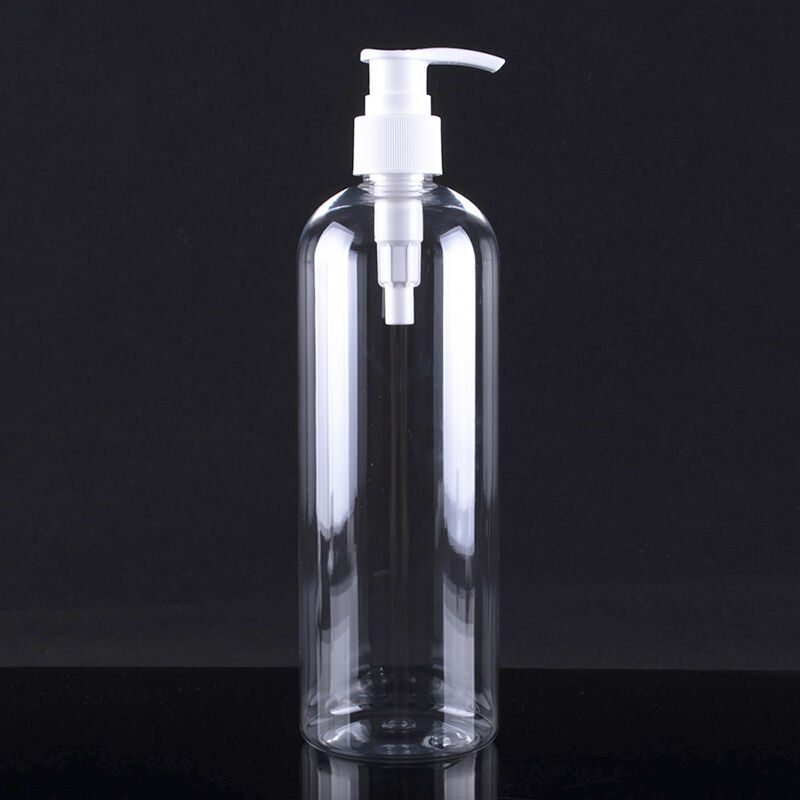
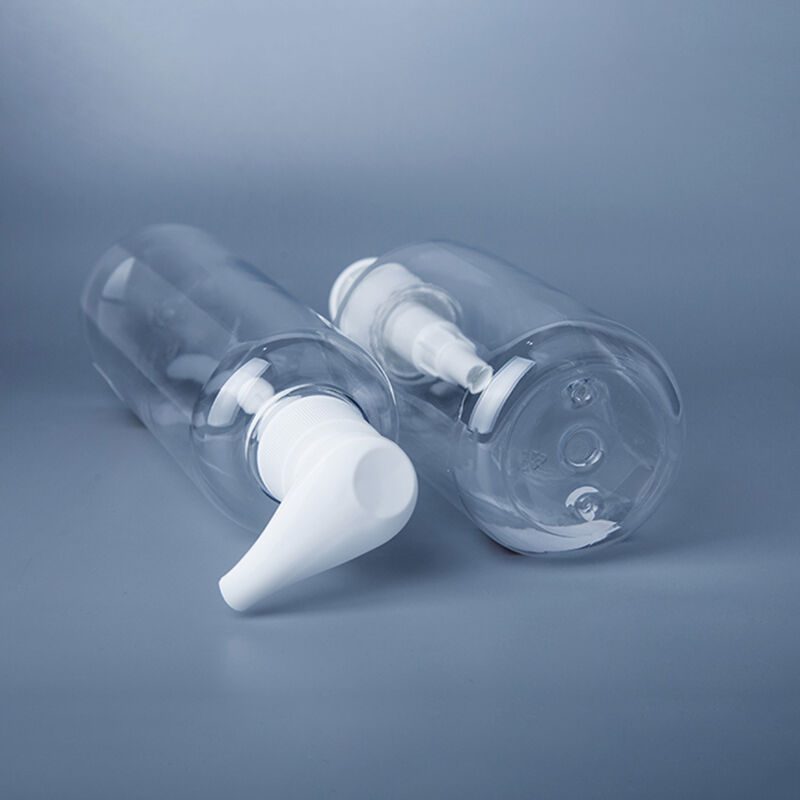
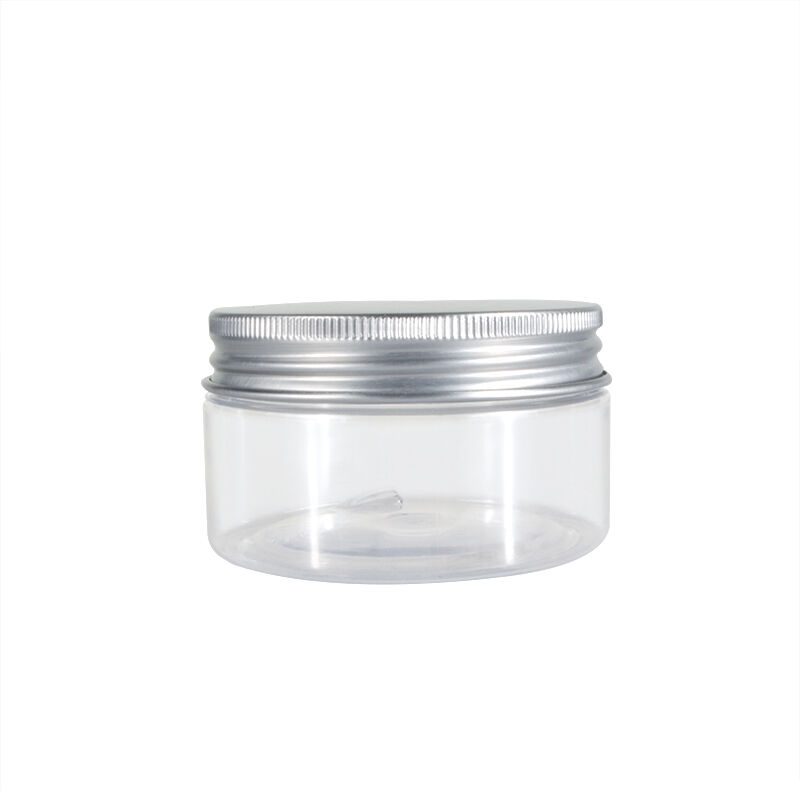
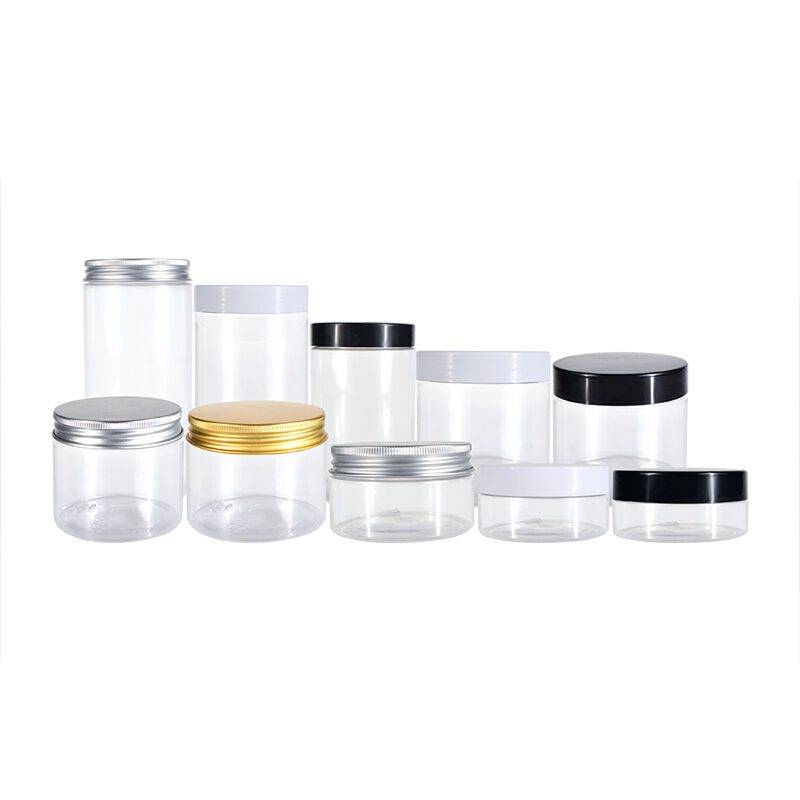
Get a Price on This, in 24 Hours
Tell us the capacity, the neck and the quantity. You get unit price, lead time and a sample plan — not a catalogue.
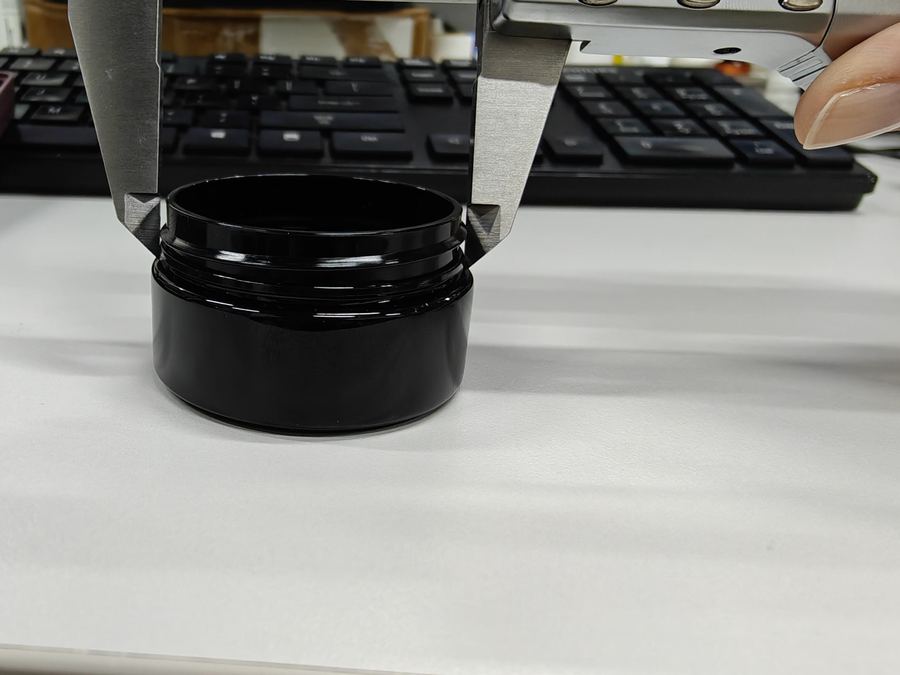
Every batch is gauged at the neck and weighed. The documents travel with the shipment.