Shampoo Bottles: 500 ml, 750 ml and Why the Pump Decides the Bottle
 By Joe Joo · 8PCK · Shantou · Updated 2026
Shampoo is the highest-volume cosmetic bottle in the world, and almost every complaint about it starts at the same place: the pump seats on a neck that was specified for a cap.
Shampoo and conditioner are sold in 250, 300, 500 and 750 ml, almost always in HDPE or clear PET, and almost always with a pump or a flip-top. The bottle itself is simple. The failure point is the interface.
We blow the bottle and mould the closure in the same building, so the pump is tested on the bottle rather than on a drawing.
500 ml Is the Volume, the Neck Is the Decision
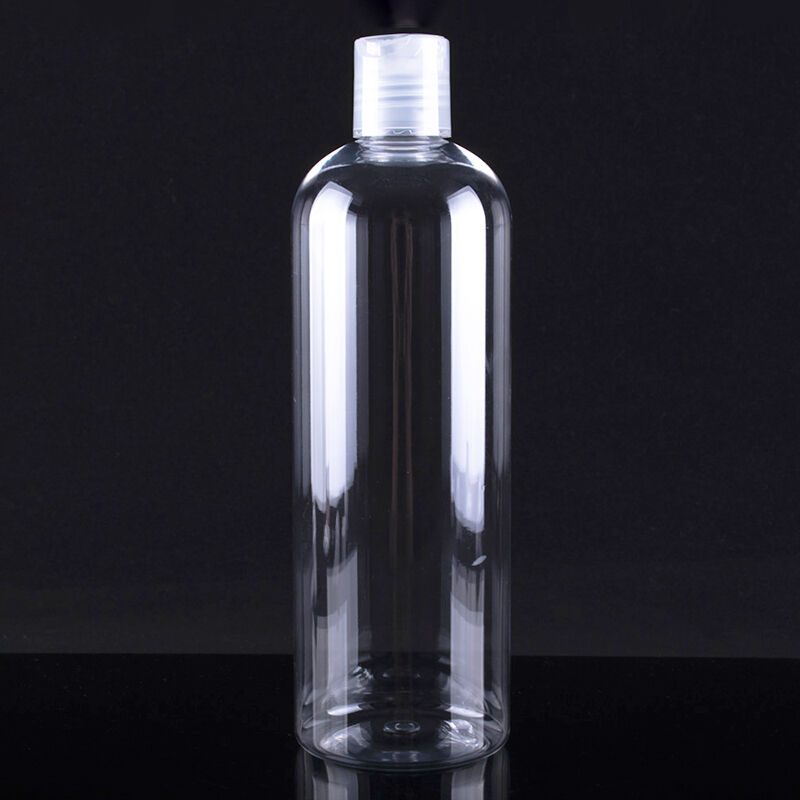
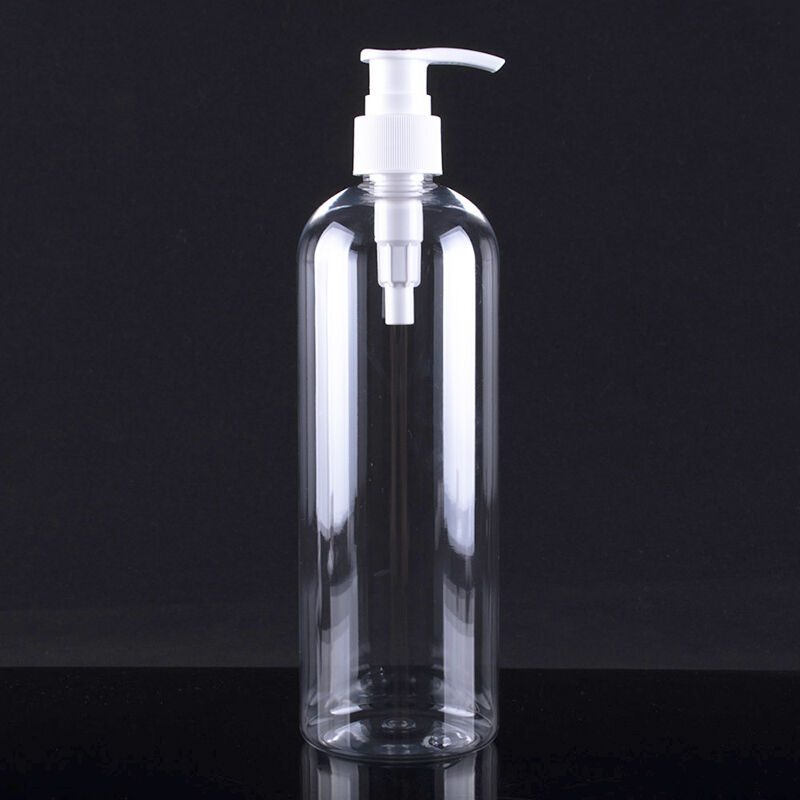
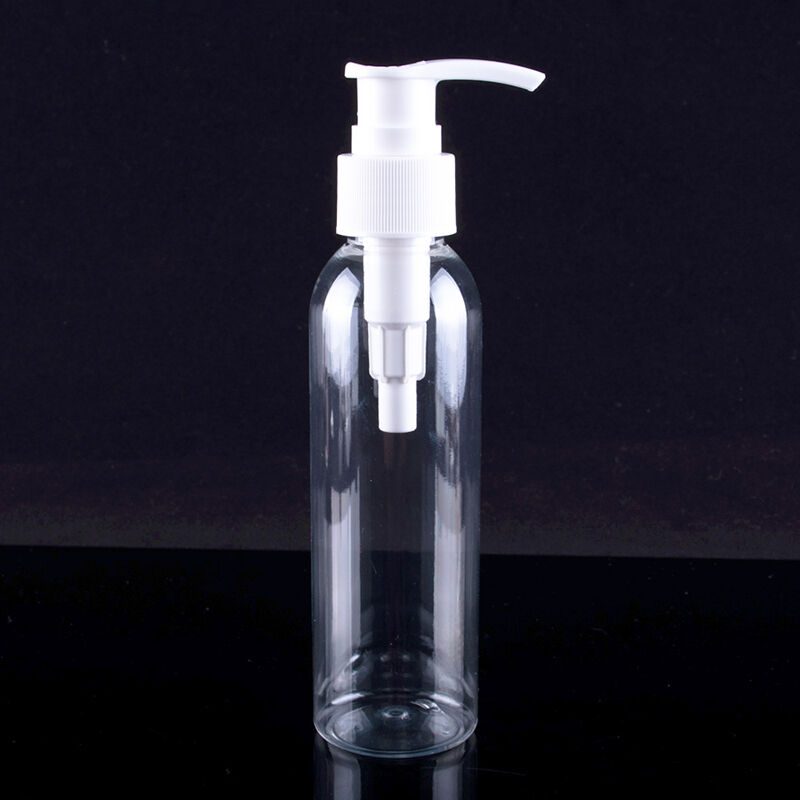
A 500 ml shampoo bottle in the US is usually 24/410 with a disc-top or a lotion pump; the 750 ml family size is usually 28/410 with a heavier pump. The two are not interchangeable, and the neck number is what you should write in the brief — not “500 ml bottle”.
If you already buy pumps, send us the pump. We will check it against the bottle before quoting, which is faster than discovering the mismatch at the filling line.
PET or HDPE
Clear PET shows the product and reads premium — the right choice for a shampoo that has to look like a shampoo. HDPE is opaque, cheaper per gram, and hides the fill level, which is why most value and professional lines use it.
Wall thickness follows the pump: a 28/410 pump on a 750 ml bottle puts more load on the shoulder than a flip-top on a 250 ml, so the wall goes up before the weight does.
What the Filling Line Needs From You
Three numbers settle a shampoo bottle: fill volume, pump dose and whether the product is a gel or a liquid. A thick gel needs a wider dip tube and a different pump valve; a thin liquid will drip from a pump sized for gel.
Then the label: a full-wrap label on a curved 750 ml is harder to apply straight than a two-panel label, and that shows up as reject rate at your co-packer.
Decoration That Survives a Bathroom
Silkscreen is the default: it does not peel, and 1–4 colours cover most shampoo designs. Labels are cheaper for multi-colour artwork and allow short runs; hot stamp and spray coat are for premium lines at 3,000 pcs.
Avoid full-body sleeves if the bottle needs to be recyclable — the sleeve has to be removed, and most recycling lines cannot do it.
Questions We Get on This
What is the most common shampoo bottle size?
500 ml in the US and Southeast Asia; 250 ml and 300 ml in the EU where shelf space is tighter. 750 ml is the family and value size.
Can you supply the pump with the bottle?
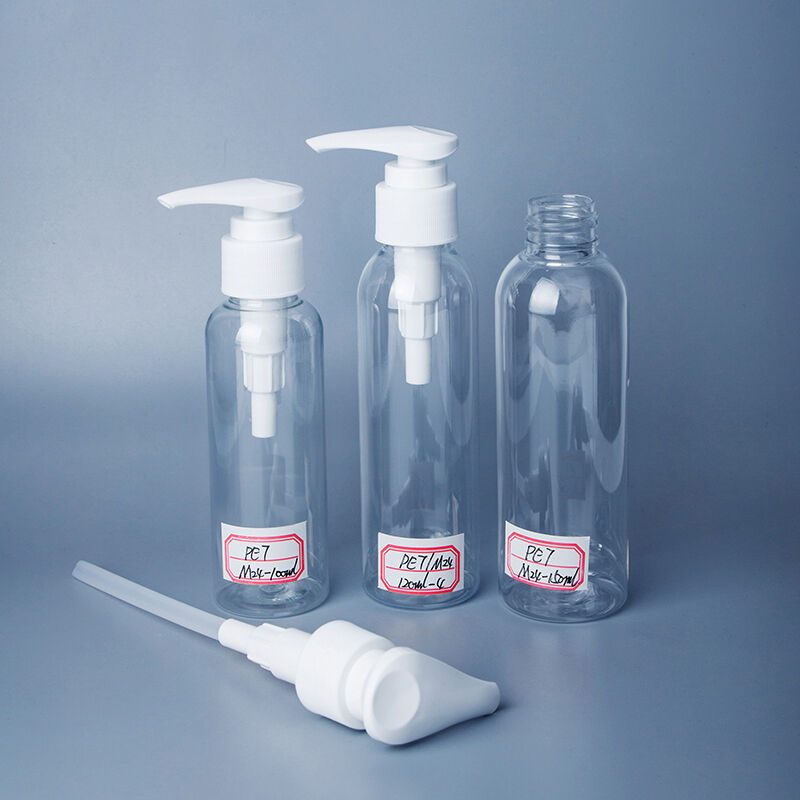
Yes — 24/410 and 28/410 lotion pumps, disc-top and flip-top caps, fitted and tested before packing.
Is a 500 ml shampoo bottle really 500 ml?
Nominal capacity is to the shoulder. With the pump inserted, usable fill is typically 470–490 ml. Check the label claim against the usable volume, not the nominal one.
What wall thickness should a 750 ml bottle have?
At least 0.65 mm on the shoulder for a 28/410 pump. Below that the bottle flexes under a full stroke and the pump can draw air.
Sizes That Fit This Guide
Get a Price on This, in 24 Hours
Tell us the capacity, the neck and the quantity. You get unit price, lead time and a sample plan — not a catalogue.
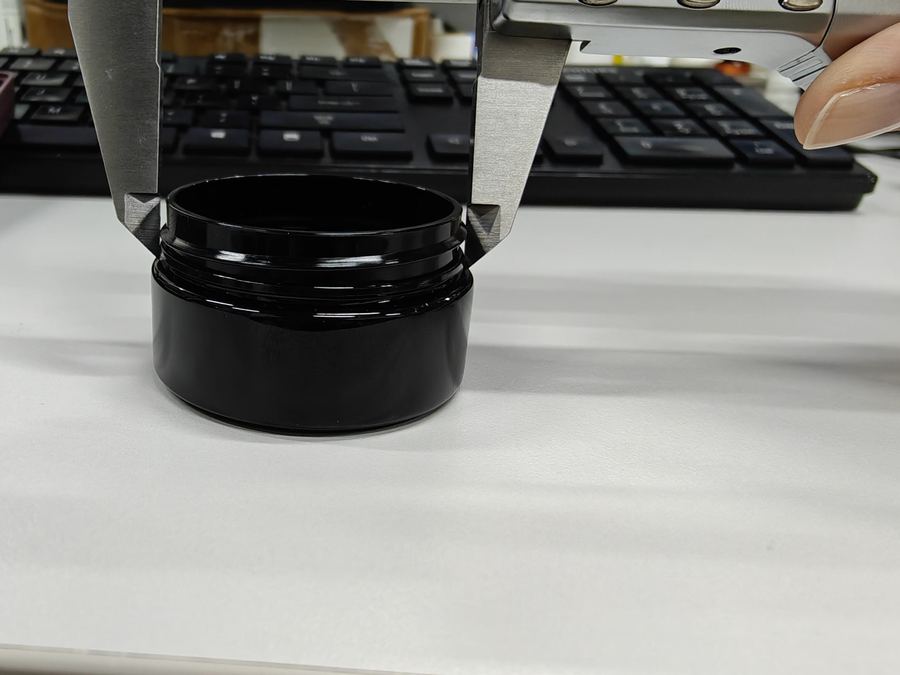
Every batch is gauged at the neck and weighed. The documents travel with the shipment.